
Find Out Your Risk of Inheriting Cancer & Ways to Prevent it

We call it inherited cancer or hereditary cancer. Not all cancers are hereditary, some may occur due to a combination of genetic mutations, and environmental and lifestyle factors of an individual that happen during one's lifetime. Such type of cancer is referred to as sporadic cancer and the risk of developing sporadic cancer increases with age. This blog provides insights into the risk of inheriting cancer and measures that can be taken to prevent it.
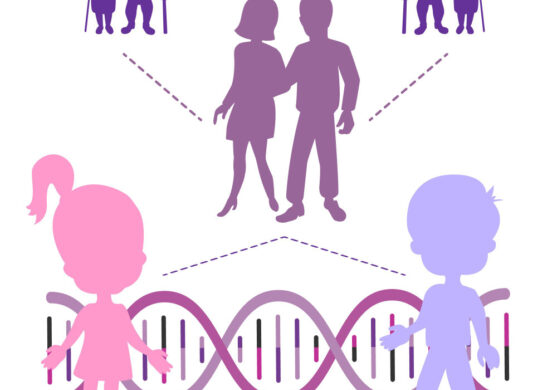
Inherited Cancer Vs Sporadic Cancer
Inherited cancer and sporadic cancer are different forms of cancer that differ in their development process.
Inherited cancer, also known as hereditary cancer, is caused by genetic mutations passed from parents to their children. People who inherit these mutations are more likely to develop certain types of cancers at a younger age than people without the inherited mutations. Inherited cancers account for about 5-10% of all cancer cases.
On the other hand, sporadic cancer is caused by genetic mutations that occur during a person's lifetime due to exposure to environmental factors such as tobacco smoke, UV radiation, and certain carcinogenic chemicals, as well as individual factors such as ageing and certain medical conditions. Sporadic cancers are more common in today's lifestyle, accounting for 90-95% of all cancer cases.
The key difference between inherited and sporadic cancer is the origin of the genetic mutations that lead to cancer. Inherited cancer is caused by genetic mutations that a person inherits from their parents at birth, while sporadic cancer is caused by genetic mutations that occur during a person's lifetime.
Even though sporadic cancer occurs randomly without a known genetic cause, there are still ways to reduce the risk of developing cancer. Lifestyle factors such as maintaining a healthy diet, exercising regularly, avoiding tobacco and excessive alcohol consumption, and protecting yourself from sun exposure can all help reduce the risk of developing cancer. Additionally, regular cancer screenings can help detect cancer early when it's most treatable.
How to Know if You are at Risk of Inheriting Cancers?
If cancer has affected your family for several generations, or if your family has multiple cases of the same cancer type or more than one type of cancer in a single person, you should consider it as a risk factor for inheriting cancer.
There are several ways to determine if you have a genetic predisposition to cancer. One option is to undergo genetic testing, which identifies specific gene mutations that increase the risk of developing cancer. Another option is genetic counselling. If you are concerned about your risk of inheriting cancer, the best way to determine your risk is to consult a doctor and/or a genetic counsellor. This can also help you understand your risk and develop a plan for prevention.
Your doctor evaluates your personal and family medical history to estimate your risk of developing certain types of cancer. Your doctor may also perform a physical exam and recommend additional tests or screenings, such as blood tests or imaging scans to inspect your risk.
A genetic counsellor can also help you understand your risk of inheriting cancer. They can review your family medical history and assess the likelihood of a genetic mutation being present in your family. They can also explain genetic testing options, help you interpret the results, and provide recommendations for managing your risk.
Does Genetic Testing Help Detect Your Risk of Cancer?
Genetic testing can help detect certain gene mutations that increase the risk of developing certain types of cancer. Genetic testing can be especially helpful for individuals with a family history of cancer, as certain gene mutations can be inherited from parents. A genetic counsellor can provide guidance on whether genetic testing is appropriate for you and can help interpret the results of the test.
Genetic testing can be a complex process, so it is important to have it done by a specially qualified healthcare professional.